
Young children experience feelings and emotions in a big way. One moment, they’re giggling joyfully; the next, they scream in frustration. As parents, it’s tempting to say, “Stop crying,” or “Don’t be mad,” but the truth is—feelings aren’t wrong. They’re natural.
What matters is how kids express those emotions. Teaching children that all feelings are okay, but not all behaviors are acceptable, helps them develop emotional intelligence, self-control, and empathy. Here’s how to do it in a clear, supportive, and effective way.
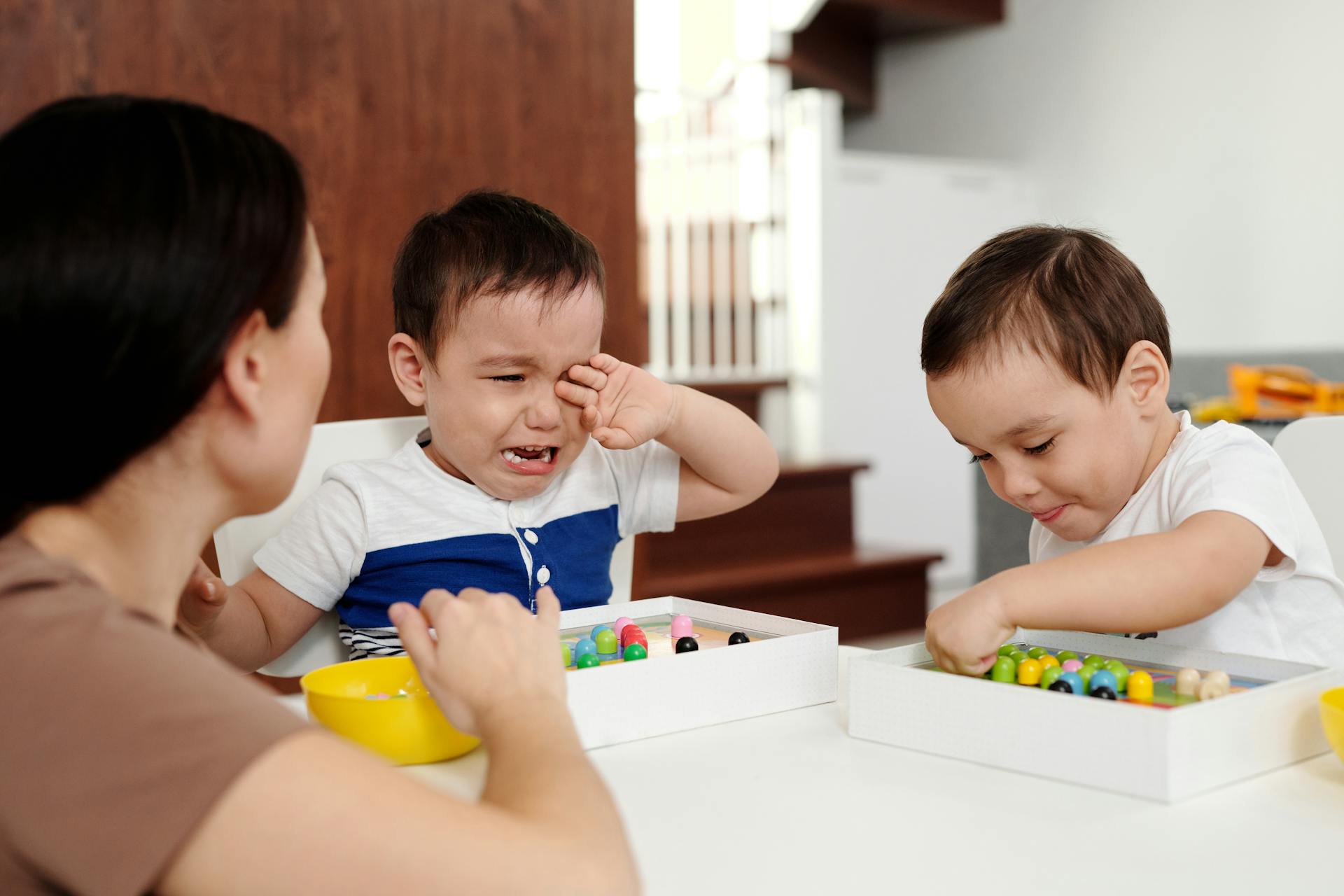
Validate Their Feelings and Emotions
Children need to know that feeling sad, angry, frustrated, or excited is perfectly normal. Instead of dismissing their emotions, acknowledge them:
- “I see that you’re really frustrated because your block tower fell.”
- “It’s okay to feel disappointed when plans change.”
- “I understand that you’re angry your brother took your toy.”
When kids feel heard and understood, they learn that emotions aren’t something to be ashamed of. This also helps them calm down faster.
Set Clear Limits on Behavior Related to Feelings and Emotions
While feelings are always valid, some actions aren’t. Hitting, yelling at others, throwing things, or being destructive are not okay ways to express emotions. Teach your child that it’s okay to be mad but not okay to hurt others.
Try saying:
- “It’s okay to feel angry, but we don’t hit. Let’s find a different way to handle this.”
- “I know you’re upset, but yelling at me won’t solve the problem. Let’s talk calmly.”
- “I understand you’re frustrated, but throwing toys isn’t safe. Let’s take a deep breath together if you need a break.”
Offer Acceptable Alternatives
Once you set a limit, guide your child toward what they can do instead.
- If they’re mad, they can take deep breaths, squeeze a pillow, or use words to express their feelings.
- When they feel frustrated, they can ask for help or take a break.
- If they are overwhelmed, they can go to a quiet space or do a calming activity.
By teaching healthy outlets for emotions, you give kids tools to manage their feelings instead of acting out.
Model Healthy Emotional Expression
Children learn from watching you. If you yell when you’re frustrated, they’ll see that as an acceptable response. Instead, try modeling calm problem-solving:
- “I’m feeling really frustrated because I dropped my coffee. I’m going to take a deep breath before I clean it up.”
- “I’m upset that we’re running late, but I’m going to take a moment to calm down.”
When kids see that adults also experience emotions—but handle them in a healthy way—they’ll learn to do the same.
Be Consistent and Patient
Teaching emotional regulation isn’t a one-time lesson. It takes practice, reminders, and a lot of patience. When your child has an outburst, remain calm, establish a boundary, and help them through it. Over time, they’ll learn that they can feel anything, but their actions must still be kind and safe.
Final Thoughts on Feelings and Emotions
All feelings are okay—anger, sadness, excitement, frustration, and others. But what kids do with those feelings is what really matters. By validating emotions while guiding behavior, you help your child develop self-control, resilience, and empathy—skills that will serve them for a lifetime.
For more information like this, please visit AMC blogs.
By: Melissa A. Kay