
Modern life basically requires running around with a cell phone. Today’s high-tech, super connected world is all about being available 24/7, checking emails, seeing what’s happening on social media, perusing the news, playing with apps, and engaging in everything else our cell phones provide. They’re convenient, fun, helpful, sometimes distracting…and dangerous? That is what some studies are saying, specifically when it comes to unborn babies and young children.
The BabySafe Project has issued a public awareness campaign connecting exposure to cell phone radiation with risks to babies’ brain development. Information gathered from various independent scientific research studies links exposure to wireless radiation from cell phones during pregnancy to neurological and behavioral problems down the road – specifically ADHD.
Naturally, this isn’t something all parents are seeing, – and nearly all of us use cell phones – even expecting mothers. So, what can moms-to-be do to be on the safe(r) side? The BabySafe Project has some simple ways to limit exposure, something that will give parents peace of mind, if nothing else.

Five Easy Ways to Reduce Exposure (as per BabySafe Project):
- Keep your cell phone away from your body. Never carry it in a pocket or bra. Never sleep with your phone.
- Avoid cordless phones and their transmitting bases.
- Keep your wireless laptop or tablet away from your body. Never rest your wireless device on your tummy.
- Avoid close proximity to Wi-Fi routers, and “smart” utility meters. Turn off routers at night.
- Whenever possible, connect to the internet using wired (Ethernet) cables.
What about babies and young children?
They can be at risk of radiation too, as per Dr. Philip Chadwick, Chair of the European safety committee on EMF, as reported by Mirror UK. Babies’ skulls are thinner and their brains are developing. “In general and on average, children suffer a higher exposure of their brain regions than adults, notes the National Center for Health Research.” Down the road, this has been corelated with hyperactivity, problems getting along with other children, emotional/behavioral issues, and more. “You should limit your baby’s exposure,” Dr. Chadwick advises. Why? “In particular, they (babies) have more water (in their tissues). That makes them a bit better at absorbing radio waves. It only really applies to phones held close against the head or body, and not to base stations or Wi-Fi.”
Essentially, it’s OK to let your baby play with a cell phone (while supervised), but from a distance and to a limited degree. But the younger the child, the harder this will be to control, since they have less control over their motor skills.
Some tips from the National Center for Health Research in terms of protecting kids from radiation include:
- Turn airplane mode on when giving a child a technology device.
- Turn off wireless networks and devices to decrease your family’s radiation exposure whenever you aren’t actively using them. As an easy first step, turn your Wi-Fi router off at bedtime.
- Decrease use of phones or Wi-Fi where wireless coverage is difficult, in order to avoid an increase in radiation exposure.
- Use the speaker phone or a plug in earpiece when you use a cell phone. To protect children from radiation, they should not use cell phones except in emergency and should use the speaker phone.
- Increase the distance between you and your cell phone whenever it is on, to reduce your exposure to radiation emitted. For example, do not use a cell phone while a child is on your lap, and do not carry your cell phone in your baby carrier, crib, or pockets. When the phone is on, tell your kids to put it in a backpack as far from their body as possible (such as an outside pocket) or on the desk or other furniture at home, instead of holding it or carrying it in a pocket.
- Read the fine print: All device manufacturers advise that cell phones should be at least 5 millimeters, or about ¼ of an inch away from your body or brain. With the iPhone 6 and the iPhone 6s, the company advises users to keep the cell phone at least 10 millimeters, or about half an inch, away from your body or brain. See the safe distance for your phone. For iPhone 5 and iPhone 6, this is located under: Settings -> General -> About -> Legal -> RF Exposure.
Are you concerned about cell phone use and your child? Have you taken precautionary steps to reduce exposure?
For more information like this, please visit All My Children’s blogs.
By: Melissa A. Kay
You’ve heard a lot about it in the news already and as fear grows over the Zika virus and its potential effects on pregnant mothers and their unborn children, the need to understand the disease—what it is and isn’t and what it can and can’t do becomes all the more important.
Here’s everything that you need to know about the Zika virus so you’ll have a solid foundation to take appropriate steps to protect yourself and any future family you’re either carrying or planning on having.
First off, although the virus has made its way into the hearts and minds of Americans lately , it turns out the disease is really nothing new, was first discovered in Uganda in 1947 and was named after the forest where it originated. This mosquito-borne illness is transferred in the 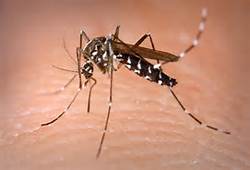 bites of those very insects that can carry other infamous diseases like the Dengue virus and has made itself known on an alarming scale in Latin America, the Caribbean and has even made inroads into Mexico and Puerto Rico. There have been 50 cases reported in the United States.
Deceiving
The Zika virus is deceiving with symptoms that are usually not too severe—joint pains, fever and rashes have been documented along with muscle pains and even headaches. These symptoms last only a few days to a week and there are even a large number of infected people that report having no symptoms at all.
Therein lies the Trojan Horse like quality of the virus since one of the real dangers to pregnant women who contract the disease is microcephaly, which is a medical condition where children are born with unusually small heads and quite often mental disabilities.
Ground Zero
Ground zero for the latest outbreak is Brazil where the disease first showed itself in May and authorities there estimate somewhere between 440,000 and 1.3 million people have been infected since. To make matters even more concerning, health officials in that country also report 4000 babies have been born with microcephaly. That number is an alarming spike from the less than 150 similar children born with the defect in 2014.
While there hasn’t been a conclusive link established between microcephaly and the Zika virus, researchers are pointing out there’s a very 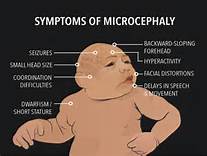 real possibility one exists.
Now that you understand the origins of the disease and its inherent danger to pregnant women, you should know what you can be doing to protect yourself regardless of whether you’re currently pregnant or have plans to start a family in the near future.
Approved Repellent
If you’re traveling to affected areas, you’ll want to protect yourself as best as you can from unnecessary risk. Using an approved mosquito repellent is a good first step and you should look for one that’s been approved by the Environmental Protection Agency. Long sleeved shirts and pants are another important measure to take. Also try to buy clothing that’s been treated with permethrin. Pregnant women should also take preventive measures like using condoms when having sex with their partners, especially when either has traveled to an infected area as there have been a few instances of sexual transmission of the virus.
Read more info like this at All My Children.
Author: Rob Starr